20 Little Habits to Tame Your Anxiety
Without adding to your to-do list.
Anxiety. It's like an uninvited guest who not only crashes your party but critiques your decorations, eats all your snacks, and then reminds you about that embarrassing thing you did in 7th grade. The good news? You don’t have to live with this annoying tagalong. Here’s the thing about anxiety: tackling it doesn’t require grand life overhauls. In fact, the magic lies in tiny, manageable habits that you can weave into your day—no extra stress required. Below are 20 little habits to reduce anxiety, why they work (with a sprinkle of science), and how to integrate them into your life without losing your mind.
1. Breathe Like You Mean It
We’re talking slow, deep breaths from your diaphragm—not the shallow “I’m trying to look calm” kind.
How to:
- Inhale for four counts.
- Hold for four counts.
- Exhale for six counts.
Why it works:
Deep breathing activates your parasympathetic nervous system, aka the chill-out switch for your body. Shallow breathing keeps you in fight-or-flight mode, where every minor inconvenience feels like an apocalypse.
Positive outcomes:
- Day 1: You’ll feel a tiny wave of calm wash over you.
- Week 1: You’ll start responding to annoyances (like Karen from accounting) with less drama.
- Month 1: You’ll breathe through situations that used to leave you hyperventilating.
2. Drink Water, Seriously
Dehydration is anxiety’s secret BFF.
How to:
Carry a cute water bottle everywhere. Sip like you’re a 19th-century poet savoring fine tea.
Why it works:
When you’re dehydrated, your body freaks out and sends stress signals to your brain. Staying hydrated reduces these false alarms and helps your mind chill.
Positive outcomes:
- Day 1: You’ll feel slightly more human.
- Week 1: Your energy levels will stop resembling a rollercoaster.
- Month 1: Anxiety-induced headaches will be a distant memory.
3. Say No Without Guilt
Boundaries aren’t just trendy—they’re necessary.
How to:
Practice saying, “I’d love to, but I can’t right now.” Then stop talking.
Why it works:
Overcommitting is an anxiety magnet. Saying no frees up mental space and energy, so you’re not constantly running on empty.
Positive outcomes:
- Day 1: Relief from dodging one obligation.
- Week 1: More time for things you actually enjoy.
- Month 1: You’ll feel like the CEO of your life.
4. Start a Gratitude Journal
No, this isn’t just Pinterest fluff—it works.
How to:
Each night, write down three things you’re grateful for. They can be as big as a promotion or as small as a great cup of coffee.
Why it works:
Focusing on the good rewires your brain to notice positives, reducing anxiety’s grip. Gratitude acts as a counterbalance to all the “what ifs” swirling in your head.
Positive outcomes:
- Day 1: A small smile as you write.
- Week 1: You’ll start spotting silver linings everywhere.
- Month 1: Gratitude will become your default mindset.
5. Move Your Body Daily
No, you don’t need a gym membership.
How to:
Dance in your kitchen, stretch in your PJs, or take a walk while judging your neighbors’ landscaping choices.
Why it works:
Exercise releases endorphins, those feel-good chemicals that scream, “You’re doing amazing, sweetie!” It also burns off excess stress hormones like cortisol.
Positive outcomes:
- Day 1: Slightly improved mood.
- Week 1: Increased energy and fewer “meh” days.
- Month 1: You’ll start craving movement, like a healthier version of an addiction.
6. Declutter One Thing
Start small—like your junk drawer or that one kitchen cabinet you’re afraid of.
How to:
Set a timer for 10 minutes and tackle one small area. Trash what you don’t need, and neatly organize what’s left.
Why it works:
Physical clutter equals mental clutter. Clearing your space clears your mind, making it easier to focus and breathe.
Positive outcomes:
- Day 1: You’ll feel a tiny, satisfying sense of control.
- Week 1: Your spaces will feel more serene.
- Month 1: You’ll Marie Kondo your way into an anxiety-free environment.
7. Laugh at Something Daily
Because nothing says, “Not today, anxiety,” like a belly laugh.
How to:
Watch funny videos, listen to comedy podcasts, or read memes that make you snort.
Why it works:
Laughter lowers cortisol levels and boosts dopamine, the brain’s natural reward system. It’s basically a mental reset button.
Positive outcomes:
- Day 1: A lighter mood.
- Week 1: You’ll laugh more often, even at bad dad jokes.
- Month 1: Laughter will become your favorite stress-relief tool.
8. Unplug for an Hour
Your phone is not your bestie—it’s an anxiety machine.
How to:
Put your phone on “Do Not Disturb” for one hour a day. Use the time to read, walk, or stare out the window like a Victorian heroine.
Why it works:
Constant notifications keep your brain in hyper-alert mode. Unplugging lets your nervous system chill out and stop anticipating the next digital ping.
Positive outcomes:
- Day 1: A sense of relief.
- Week 1: Better focus and less comparison.
- Month 1: You’ll wonder why you ever let your phone rule your life.
9. Take a Sensory Pause
Use your five senses to bring yourself back to the present moment.
How to:
- Look: Notice five things around you.
- Touch: Feel four textures (your sweater, a pen, etc.).
- Hear: Identify three sounds.
- Smell: Focus on two scents nearby.
- Taste: Savor something small, like a sip of tea.
Why it works:
Anxiety thrives on the “what ifs” of the future or “should haves” of the past. Grounding your senses pulls you back to the present, reminding your brain that you’re not actually being chased by a tiger.
Positive outcomes:
- Day 1: A noticeable moment of calm amidst the chaos.
- Week 1: Improved ability to refocus when stress creeps in.
- Month 1: Your brain will start using sensory pauses like a natural stress reset.
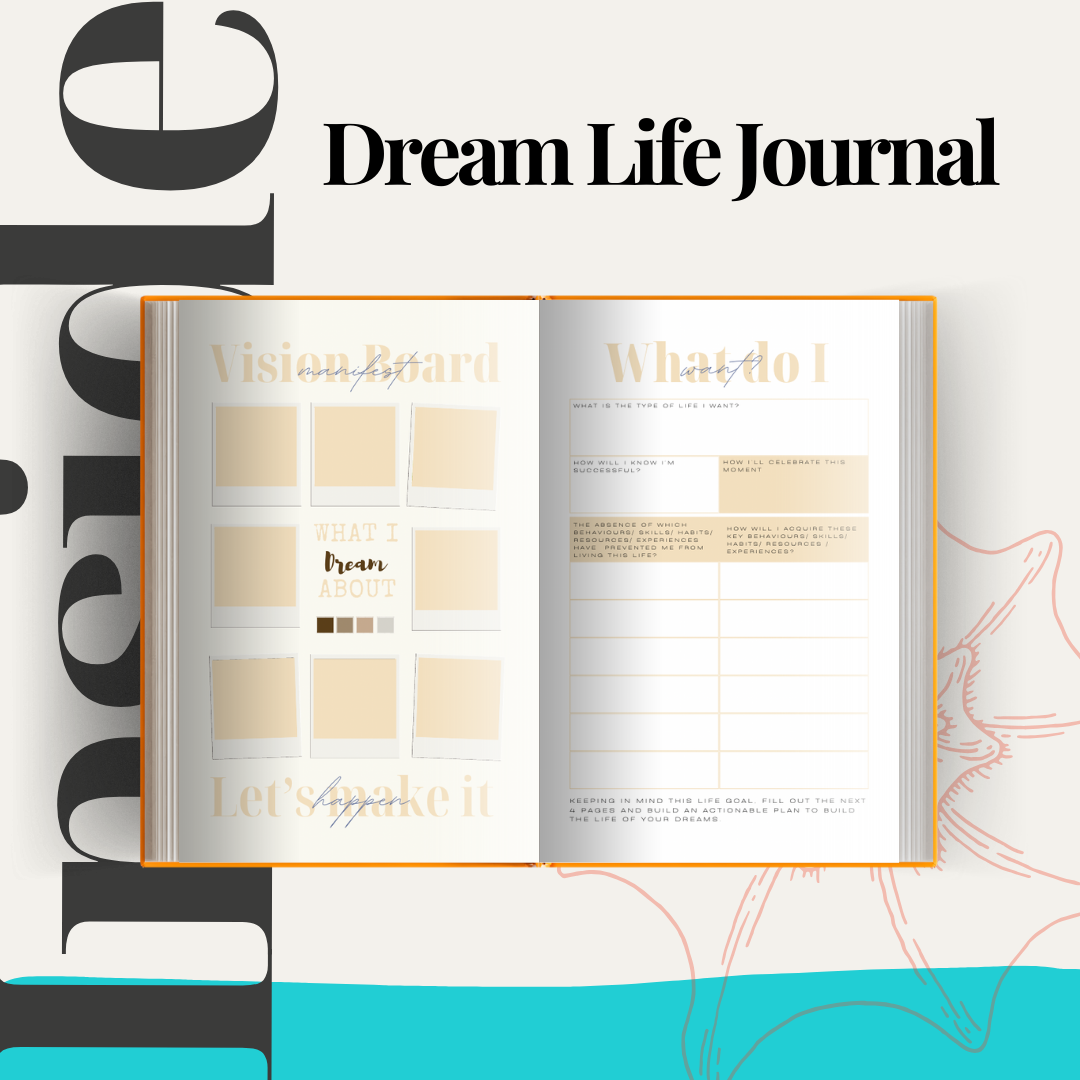
I am a journal designer and founder of Self Care Capsule, a stationary brand that develops guided, printable journals – the “just-in-time” solution for women who wish to take immediate action in their personal development journey.
10. Talk to a Friend (or Your Dog)
Sharing your worries helps lighten the load—yes, even if it’s with a furry companion.
How to:
Call, text, or meet a trusted friend. Or, spill your thoughts to your pet, who’s guaranteed to listen judgment-free.
Why it works:
Venting helps you process emotions and gain perspective. Plus, social connection boosts oxytocin, the feel-good hormone, while reducing cortisol.
Positive outcomes:
- Day 1: Relief from saying your feelings out loud.
- Week 1: Stronger relationships and a lighter mental load.
- Month 1: A regular habit of emotional support and bonding.
11. Make a “Worry Dump” List
Get those swirling thoughts out of your head and onto paper.
How to:
Write down every single thing that’s stressing you out, no matter how small. Then categorize them: things you can control, and things you can’t.
Why it works:
Anxiety thrives in mental chaos. Seeing your worries on paper gives them less power and helps your brain focus on actionable solutions.
Positive outcomes:
- Day 1: A clearer headspace.
- Week 1: Better prioritization of what actually needs your attention.
- Month 1: Less overthinking and more problem-solving.
12. Create a Morning Ritual
Start your day with intention, not Instagram.
How to:
Choose one grounding activity, like stretching, journaling, or sipping coffee mindfully, and commit to doing it every morning.
Why it works:
Mornings set the tone for your entire day. A calming ritual anchors you before the world starts making demands. It’s like putting on emotional armor.
Positive outcomes:
- Day 1: A small sense of control in the chaos.
- Week 1: Mornings feel less rushed and reactive.
- Month 1: You’ll start each day with focus and clarity.
13. Keep a “Done” List
Celebrate what you’ve accomplished, even if it’s just “got out of bed.”
How to:
At the end of the day, jot down three things you did, no matter how small.
Why it works:
Anxiety loves to make you feel unproductive. A “done” list proves otherwise and helps you focus on progress instead of perfection.
Positive outcomes:
- Day 1: A boost of pride before bed.
- Week 1: You’ll start noticing your daily wins.
- Month 1: Productivity guilt will loosen its grip.
14. Get Outside
Fresh air works wonders—no camping gear required.
How to:
Take a 10-minute walk, sit on your porch, or just stand by an open window.
Why it works:
Nature reduces stress hormones and promotes a sense of calm. Even a tiny dose of sunlight boosts serotonin, the happiness chemical.
Positive outcomes:
- Day 1: A slight mood lift.
- Week 1: Feeling more connected to the world around you.
- Month 1: Improved mood, sleep, and overall outlook.
15. Try Progressive Muscle Relaxation
Yes, clenching your fists can actually help you relax.
How to:
Starting at your toes, tense each muscle group for five seconds, then release. Work your way up to your head.
Why it works:
This technique teaches your body the difference between tension and relaxation, helping you release anxiety that’s hiding in your muscles.
Positive outcomes:
- Day 1: Physical relief you didn’t know you needed.
- Week 1: Fewer random aches and tight shoulders.
- Month 1: A deeper connection to your body’s signals.
16. Limit Caffeine (Sorry)
You don’t have to quit cold turkey, but maybe skip that third cup.
How to:
Replace one caffeinated drink with herbal tea or water. Gradually reduce your caffeine intake over time.
Why it works:
Caffeine can trigger symptoms that mimic anxiety, like a racing heart and jitteriness. Cutting back helps your nervous system chill.
Positive outcomes:
- Day 1: Slightly less jittery hands.
- Week 1: Fewer mid-afternoon crashes.
- Month 1: A calmer baseline throughout your day.
17. Practice Saying “It’s Not That Deep”
Sometimes, perspective is the best medicine.
How to:
When you feel anxiety creeping in over something small, pause and ask, “Will this matter in a week? A month? A year?”
Why it works:
Anxiety thrives on catastrophizing. This habit helps you reframe and realize that most things aren’t worth your worry energy.
Positive outcomes:
- Day 1: A smirk at how dramatic your brain can be.
- Week 1: Fewer spirals over minor inconveniences.
- Month 1: A greater sense of calm and perspective.
18. Cook Something New
Turn mealtime into a creative outlet.
How to:
Find a simple recipe you’ve never tried, and focus on the process, not perfection.
Why it works:
Cooking engages multiple senses, creating a meditative, present-focused experience. Plus, you get to eat something delicious at the end.
Positive outcomes:
- Day 1: A tasty distraction from your stress.
- Week 1: New confidence in the kitchen.
- Month 1: A collection of go-to recipes and a calmer mind.
19. Play Some Music
No talent required—just press play.
How to:
Make a playlist of songs that either soothe or energize you, depending on what you need in the moment.
Why it works:
Music influences your brain’s neurochemistry, releasing dopamine and reducing stress hormones. It’s like a sonic hug for your soul.
Positive outcomes:
- Day 1: A slight mood boost.
- Week 1: A go-to playlist for different moods.
- Month 1: A soundtrack to your less-stressed life.
20. Talk to Yourself Like You Would a Friend
Yes, out loud if necessary.
How to:
When negative self-talk kicks in, ask, “Would I say this to someone I love?” If not, rephrase it into something kind and constructive.
Why it works:
Self-compassion is scientifically proven to reduce anxiety and improve resilience. Treating yourself like a friend helps you break free from the anxiety cycle.
Positive outcomes:
- Day 1: A slightly softer inner voice.
- Week 1: Greater self-awareness and kindness.
- Month 1: An internal dialogue that actually supports you.
Final Thoughts
Anxiety doesn’t have to dominate your life. With these 20 tiny habits, you can chip away at its power and replace it with calm, clarity, and confidence. Try a few, tweak them to fit your life, and watch as the little changes add up to something big. You’ve got this—and if all else fails, just take a deep breath. You know how to do that now, too.
Which habit will you try first? Let me know! And until next time, be kind to yourself and those around you.